
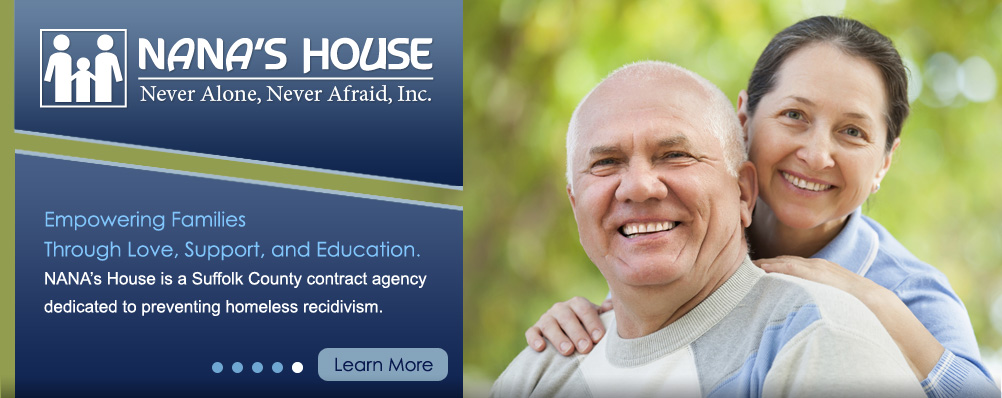
Community support
In the bustling neighborhoods of Eastern Long Island, where the sea breeze meets the salt spray, true resilience often blooms from the strength of community bonds rather than individual grit alone. For families facing housing instability, the path to stability is rarely a solitary journey; it is a collective effort woven from the threads of kindness, resources, and shared responsibility found within our shared towns. This article explores how community support acts as a vital lifeline, transforming isolated struggles into shared victories and turning temporary shelter into lasting home.
The Ripple Effect of Neighborly Kindness
Support in our community extends far beyond the walls of our service centers; it flows naturally through the streets, parks, and local gatherings that define our daily lives. When a neighbor offers a meal to a weary family, or a local business donates supplies to a food drive, they are not just providing material aid—they are sending a powerful message of hope. These small acts create a ripple effect that reaches further than the immediate recipient, inspiring others to step forward and engage. By normalizing the idea that we care for one another, we dismantle the stigma often associated with homelessness and foster an environment where everyone feels seen and valued.
Mobilizing Local Resources and Networks
Navigating the labyrinth of resources available for homeless families can be overwhelming, but a strong community network makes these paths navigable. Local churches, schools, and non-profits often maintain extensive databases of services, from temporary housing options to job placement assistance. When families within our network know where to turn, they avoid the isolation that often accompanies crisis situations. We encourage every member of the community to identify one local resource they can support or refer, creating a mesh of safety that catches families before they fall through the cracks. This collaborative approach ensures that no family has to fight a battle alone.
Strategic Partnerships for Lasting Impact
While direct aid is crucial, sustainable change requires strategic partnerships that align with the needs of families on the ground. Effective community support involves forging alliances between housing authorities, healthcare providers, mental health services, and private sector employers. These partnerships ensure that when a family enters our services, they are immediately connected to a coordinated web of care that addresses their physical, emotional, and financial needs simultaneously. By sharing data and expertise across different sectors, we can create more efficient pathways to housing and reduce the wait times that often lead to prolonged homelessness.
The Role of Employment and Economic Stability
Housing is indeed a fundamental human right, but it cannot be sustained without economic stability. A robust community actively works to bridge the gap between shelter and employment by offering skills training, resume workshops, and direct connections to local employers who are willing to hire. Many community members work directly with families to create personalized job search plans, ensuring that the transition from dependency to self-sufficiency is as smooth as possible. Economic empowerment is the ultimate goal of community support, as it allows families to rent their own homes, pay their utilities, and provide for their children's education without relying on temporary relief.
Cultivating a Culture of Long-Term Care
Ultimately, community support is about shifting our mindset from charity to care. When we view homeless families not as problems to be solved but as neighbors in need of assistance, we unlock a reservoir of empathy and action that can transform entire towns. This culture of care demands that we stay engaged long after a family has secured housing, checking in on their progress and offering continued support as they build a new life. By committing to long-term relationships with the families we serve, we ensure that their journey to stability is continuous, supported, and deeply human.
Actionable Steps for Community Members
Ready to be part of the solution? Here are specific ways you can contribute to the support system in your area today:
- Volunteer your time at a local food bank or shelter to assist with sorting donations and serving meals.
- Join a local committee or task force dedicated to housing advocacy to help shape policy.
- Donate old books, clothes, or furniture to support the inventory needs of our partner agencies.
- Mentor a young person living in a shelter who needs guidance on navigating adulthood and higher education.
- Write a letter to your local city councilor advocating for increased funding and better services for homeless families.
Every contribution, no matter how small, adds strength to the collective effort to end homelessness in Eastern Long Island. Together, we can build a community where no family is left behind.
Related reading
- Building Bridges: How Community Awareness Transforms Isolation into Connection
- The Silent Classroom: When Both Educators and Learners Struggle to Catch Up
- Bridging the Gap: Empowering Local Voices Within State Systems
- Building Resilience: Local Strategies for Social Determinants of Health
- The Anchor of Belonging: Strengthening Our Shared Neighborhood