
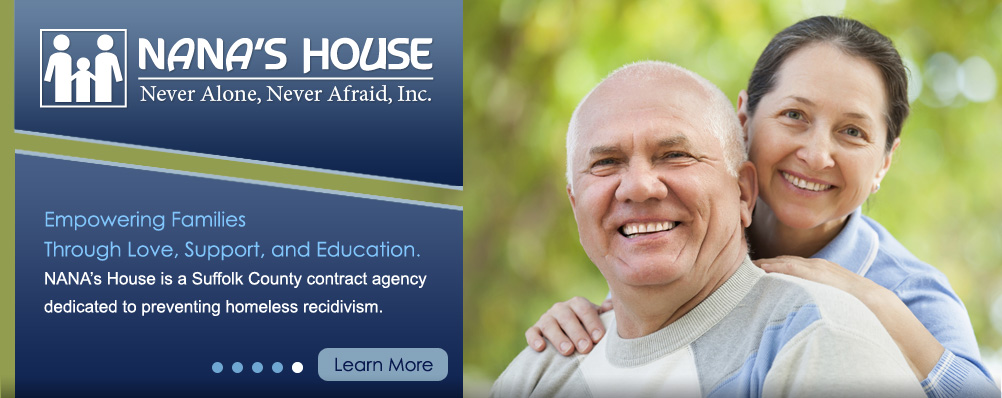
Connecting humans to humans tello
In a world often defined by screens and distance, the most profound healing happens when we step back and look each other in the eyes. At NANA's House, we understand that housing stability is only the beginning of true recovery when it is paired with genuine human interaction. By intentionally creating spaces where families and dependents can engage with one another, we foster a sense of belonging that helps break the isolation cycle many face.
The Power of Intentional Community
Isolation is frequently a symptom of homelessness, but it is also a cause that perpetuates the struggle. When individuals and families are separated from their support networks, the daily challenges of survival feel overwhelming and insurmountable. Our approach recognizes that simply providing a roof is insufficient if the residents do not feel connected to the people around them. We believe that relationships act as a buffer against stress, offering emotional support that no amount of material aid can replace.
By designing our environment to encourage interaction, we transform a shelter into a home. This means creating communal areas where families can sit together, not just to wait, but to talk. We facilitate activities that require collaboration, ensuring that everyone from single adults to families with young children has a role to play. These interactions build trust slowly, allowing people to realize they are not alone in their journey.
Strategies for Fostering Genuine Relationships
Creating an environment where connection thrives requires specific, deliberate actions from staff and volunteers. It is not enough to simply be present; we must actively work to weave a tapestry of human interaction across our facility.
- Implement Shared Meals: Daily meals are more than just nutrition; they are opportunities for conversation. We structure meal times so that families are seated together and encouraged to share stories, fostering a warm atmosphere where everyone feels welcome.
- Group Skill-Building Sessions: Workshops on budgeting, job hunting, or parenting skills are designed as group activities rather than lectures. This allows participants to learn from peers and realize that many of their struggles are shared, reducing feelings of shame or unique burden.
- Peer Mentorship Programs: Pairing new arrivals with experienced residents helps transfer knowledge and hope. Older family members who have successfully navigated the system can guide younger ones, creating a natural hierarchy of support based on lived experience.
- Community Events: Hosting regular events like movie nights, game nights, or cultural celebrations ensures that families have recurring reasons to gather and interact outside of their immediate crisis management.
Facilitating Cross-Generational Dialogue
One of the most impactful areas we focus on is bridging the gap between different age groups within our family units and between the families themselves. Children often feel invisible in crisis situations, yet their presence is crucial for family stability. We create structured play and educational zones where children can interact with peers while adults engage in separate but parallel activities.
This separation allows adults to decompress and recharge, while children play in a safe, supervised environment. However, we also encourage "family time" where the whole unit gathers, reinforcing the idea that the child is the anchor of the family unit. By rotating adult responsibilities in the day-to-day operations of the house, we ensure that everyone has a moment of relief and that no single role becomes too heavy for one person to carry alone.
The Role of Staff as Facilitators
Our staff play a critical role in these interactions. We are trained not just to manage crises, but to act as facilitators of human connection. This involves noticing when two families are sharing a space and gently encouraging them to say hello, or stepping in when a conversation feels stalled to offer a new topic or activity.
We avoid being overly bureaucratic in our interactions. Instead of focusing solely on intake forms and eligibility checks, we make time to ask about hopes and dreams. When a staff member remembers a family's favorite hobby or a child's interest, it signals that they are seen as a whole person, not just a case file. This level of personal attention is rare in the system and can be incredibly validating for those who have been treated as invisible.
Long-Term Impact on Recovery
The ripple effects of these connections extend far beyond the walls of NANA's House. When a family feels connected to their neighbors and peers, they are more likely to engage with other services, such as job training or mental health support. They become advocates for themselves and others, spreading the word about available resources and creating a network of mutual aid.
True recovery is a social process. It is about re-establishing the social fabric that was torn during periods of homelessness. By prioritizing human connection, we provide the emotional scaffolding necessary for housing and services to take root. We believe that when humans connect with other humans, the resilience required to rebuild lives is found not in policy alone, but in the strength of our shared relationships.
Related reading
- Navigating the New Social Fabric: Critical Insights from the Ahar Report
- A New Horizon Dawns for Our Community as 2023 Concludes
- Building Bridges: Insights from Our Community Leaders on Housing Stability
- Voices of Hope: Maurice Jones on Building a Foundation
- Voices of Resilience: Insights from the Community Frontline