
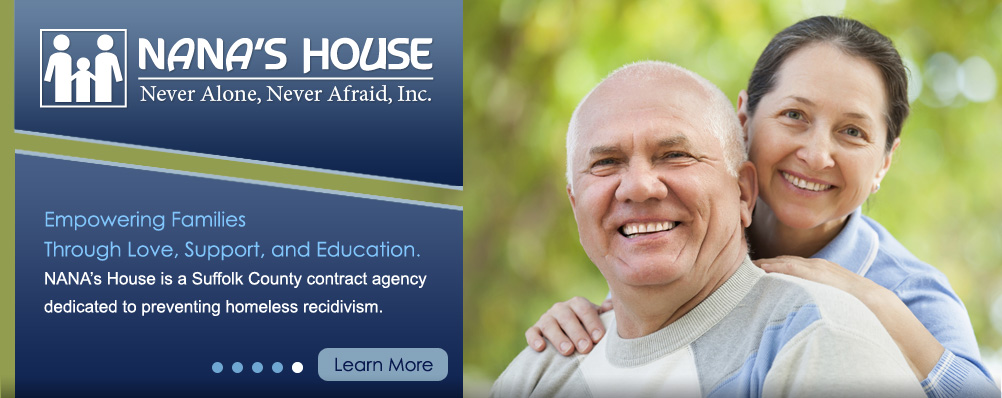
Local charities
Navigating the landscape of local philanthropy can feel overwhelming, especially when you or a loved one are struggling to make ends meet. Fortunately, Eastern Long Island is home to a vibrant network of organizations dedicated to lifting families and individuals out of poverty through compassion, resources, and tangible aid. This guide aims to demystify the local charity scene, helping you find the right organization for your specific needs, whether you require emergency food, housing assistance, or long-term case management.
Identifying Your Immediate Needs
Before contacting any organization, it is crucial to assess exactly what resources you require. Local charities operate with limited funds and often have specific eligibility criteria designed to prioritize those in most critical situations. By understanding your own needs, you can efficiently match yourself with the program that will offer the most direct relief. Do not hesitate to seek guidance from a trusted community center or social worker if you are unsure which category of aid applies to your family's situation.
Understanding Eligibility Criteria
One of the most common barriers to accessing help is not knowing what qualifications are required. Many organizations do not serve everyone indiscriminately; instead, they prioritize based on income thresholds, household size, residency status within the county, and the severity of the crisis. Some groups focus exclusively on families with children, while others provide services to single parents, veterans, or individuals facing severe mental health challenges. It is vital to review the mission statement of each potential partner to ensure their core values and service models align with your family's profile. For instance, a shelter may require proof of homelessness, whereas a food bank might simply ask for a completed application form if you lack a permanent address.
Core Service Providers in the Area
The Eastern Long Island region boasts a diverse array of non-profits, each with a specialized focus. Understanding the distinction between these providers can save time and prevent frustration when seeking assistance. Below is a breakdown of the primary types of organizations you might encounter and the services they typically provide.
- Homeless Shelters and Crisis Centers: These facilities offer temporary lodging, hot meals, hygiene kits, and case management services to stabilize individuals and families experiencing homelessness. They often act as the first point of contact for those with no safe place to sleep.
- Food Banks and Pantries: These vital institutions distribute nutritious food to hungry families. They range from large distribution centers that supply local stores to smaller, neighborhood pantries that offer grab-and-go meals directly to clients.
- Family Support Centers: Dedicated to long-term stability, these centers provide counseling, parenting classes, childcare assistance, and referrals to job training programs. They aim to address the root causes of poverty rather than just treating symptoms.
- Legal Aid Societies: Non-profit law firms that represent low-income individuals in matters such as eviction protection, domestic violence, public benefits appeals, and family law disputes.
- Mental Health and Substance Abuse Recovery Programs: Specialized groups offering counseling, support groups, detoxification services, and housing for those recovering from addiction or struggling with severe mental illness.
- When searching for a specific service, always check the organization's website for a list of current programs and their specific intake requirements.
- Many of these entities require you to attend an interview or complete a needs assessment before receiving aid.
- Some programs operate on a first-come, first-served basis, so registering early is often recommended.
- Be prepared to provide basic identification documents, such as a birth certificate, social security card, or proof of income, to verify eligibility.
Maximizing Your Impact Through Volunteering
Receiving aid is not the only way to contribute to the well-being of your community; volunteering your time can be equally transformative. Many organizations face a shortage of staff and rely heavily on the generosity of volunteers to run their programs. By donating your time, you help ensure that these services continue to run smoothly for others who cannot help themselves. Whether you have a few hours on weekends or can commit to a weekly schedule, your contribution matters deeply to the mission of these groups.
Volunteering opportunities vary widely depending on your skills and interests. Some individuals prefer to assist with sorting donations, packing care packages, or serving meals in a kitchen setting. Others might prefer administrative tasks, such as answering phones, managing donor databases, or helping with event planning. If you possess professional skills like graphic design, accounting, or teaching, many non-profits actively seek volunteers to support their fundraising and outreach efforts. Engaging with these organizations fosters a sense of connection and community, reminding everyone that we all share a responsibility to support one another.
The Role of Local Fundraising and Grants
Financial sustainability is a critical component of keeping these charities running. While grants and donations from individuals and corporations are the lifeblood of many non-profits, they often fluctuate based on economic conditions and donor interest. Supporting these organizations financially can range from a one-time check to a recurring monthly donation, which provides a steady stream of resources. Local businesses and individuals often set aside a portion of their profits or personal income to support social causes, knowing that every dollar invested can significantly improve the quality of life for families in need.
In addition to direct donations, community events and fundraisers play a pivotal role in raising awareness and funds. Galas, bake sales, charity runs, and online crowdfunding campaigns are popular ways for residents to come together and support local initiatives. Participating in these events not only generates revenue but also strengthens the social fabric of Eastern Long Island. By staying informed about upcoming fundraising drives and contributing to them, you directly contribute to the operational costs and program expansion of vital social services.
Staying Informed and Connected
The landscape of local charities is dynamic, with new organizations emerging and existing ones expanding their reach. Staying updated on community resources ensures that you never miss out on an opportunity for help or a chance to get involved. Many cities and towns in Long Island maintain online directories or host regular community meetings where residents can learn about new programs and upcoming events. Following local news outlets and social media pages dedicated to community service can also provide timely updates on resource availability and new partnership announcements.
Ultimately, the strength of our community lies in our willingness to reach out and support those in need. By understanding the different types of local charities, knowing how to access their services, and actively participating in the community's effort to help, we create a safer and more supportive environment for all families. Whether you are seeking immediate relief or looking to make a lasting difference through volunteering, there is always a place for you in the network of kindness that defines Eastern Long Island. Remember, every small step toward connection brings us closer to a future where no family is left behind.
Related reading
- Building Bridges: How Community Awareness Transforms Isolation into Connection
- The Silent Classroom: When Both Educators and Learners Struggle to Catch Up
- Bridging the Gap: Empowering Local Voices Within State Systems
- Building Resilience: Local Strategies for Social Determinants of Health
- The Anchor of Belonging: Strengthening Our Shared Neighborhood