

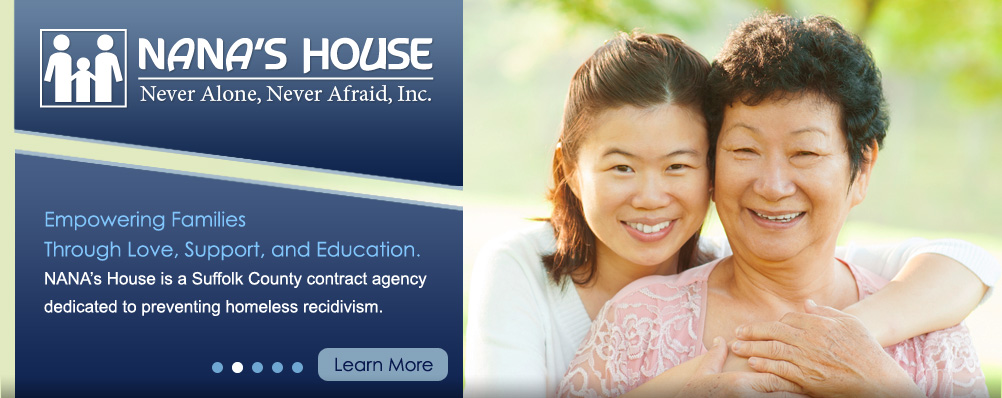

More older adults aging in place
As our community continues to evolve, the demographic landscape is shifting in ways that demand new approaches to support and care. More older adults are choosing to remain in their familiar homes rather than moving to assisted living facilities, driven by a deep emotional attachment to their neighborhoods and a strong desire to maintain their autonomy. However, this preference for aging in place requires a proactive strategy that addresses safety concerns, accessibility barriers, and the complex needs of the elderly before they become emergencies.
Understanding the Shift in Demographics
The trend of aging in place is not merely a personal preference; it is often a necessity for financial stability and social connection. For many seniors, especially those who have spent their lives working within the same communities, leaving their homes can feel like a severing of roots. Yet, the physical environment of these homes often fails to meet the changing mobility and health requirements of the elderly population. Without intervention, these homes can quickly become hazardous, leading to falls or other injuries that could have been prevented with earlier support. Recognizing this trend is the first step in creating a sustainable environment where seniors can live comfortably, safely, and independently for as long as possible.
Assessing the Home Environment
Before any changes can be made, a thorough assessment of the living space is essential. This involves identifying specific hazards such as loose carpeting, uneven thresholds, poor lighting, or lack of grab bars in bathrooms. A home that was perfectly safe thirty years ago may not be suitable for someone living with arthritis, vision impairment, or limited mobility today. Organizations dedicated to supporting families often facilitate home safety audits, providing volunteers to walk through properties with seniors and their families to spot potential risks. These assessments are critical because they turn vague fears into concrete action plans, ensuring that resources are directed toward the most pressing issues in a specific residence.
Implementing Practical Modifications
Once hazards are identified, practical modifications can transform a potentially dangerous home into a safe sanctuary. These changes often range from simple, low-cost adjustments to more significant structural renovations. Installing lever-style door handles, adding non-slip mats in the shower, ensuring nightlights are placed in hallways, and widening doorways for wheelchair access are all standard interventions. For families on a budget, there are numerous community grants and volunteer programs available to help cover these costs. It is important to prioritize modifications based on the senior's daily routine, focusing on areas where they spend the most time to maximize safety and comfort.
The Role of Community Resources
Access to information is often the biggest barrier seniors face when trying to modify their homes. Many families are unaware of the specific services available to them in Eastern Long Island. Local non-profits, health departments, and utility companies frequently offer tailored assistance that can be difficult to navigate on one's own. By establishing clear pathways to these resources, we empower seniors and their families to take control of their living situations. This includes connecting them with home health aides, transportation services, and social workers who can provide ongoing support and advocacy. When families know exactly where to turn for help, the burden of decision-making is shared, reducing stress and preventing isolation.
Sustaining Independence Through Support Networks
Aging in place is not a one-time project but an ongoing process that requires continuous monitoring and adaptation. As a senior's health status changes, the needs of the home will evolve, requiring new solutions and potentially new types of support. Building a robust network of support is vital, involving not just family members but also neighbors, friends, and community organizations. Regular check-ins and social interactions ensure that the senior feels connected and valued. Furthermore, flexible care plans that can be adjusted as medical conditions change ensure that the home remains a safe haven. Ultimately, the goal is to create a dynamic ecosystem where the home serves as the anchor for independence, supported by a web of community resources and personal relationships that adapt and grow alongside the resident.
To ensure long-term success, families should adopt a multi-faceted approach that balances immediate needs with future possibilities. The following list outlines key components that form the backbone of a successful aging-in-place strategy:
- Conducting a regular home safety audit every six months to catch new hazards.
- Establishing a dedicated contact list for emergency services, local aides, and family members.
- Integrating assistive technology like voice-activated lights or automated medication dispensers.
- Scheduling monthly social activities with neighbors or community centers to combat loneliness.
- Reviewing financial assistance programs annually to ensure coverage for any rising costs.
- Keeping a log of medical appointments and medication schedules for easy reference.
- Creating a designated safe space within the home that remains accessible during power outages.
By consistently applying these principles, families can foster an environment that respects the dignity and independence of every senior, ensuring that their homes remain not just places of residence, but thriving centers of life and community connection.
Related reading
- Transitioning from Service to Civilians: A Pathway to Stability for Veterans Returning Home
- Building Bridges: How Community Partnerships Strengthen Our Safety Net
- Building Bridges to Autonomy: A Pathway for Foster Youth in Our Community
- Unseen Losses: How Trust is Weaponized to Strip NYC Families of Their Legacy
- The Funding Gap: Navigating Recent HUD Rejections in Long Island